Alone isn’t the same as lonely: Understanding loneliness and connection
Being alone and feeling lonely aren’t the same thing. It’s a subtle difference, but an important one. For some people, time alone is peaceful and restorative. It can provide space to think, rest or recover from a busy week.
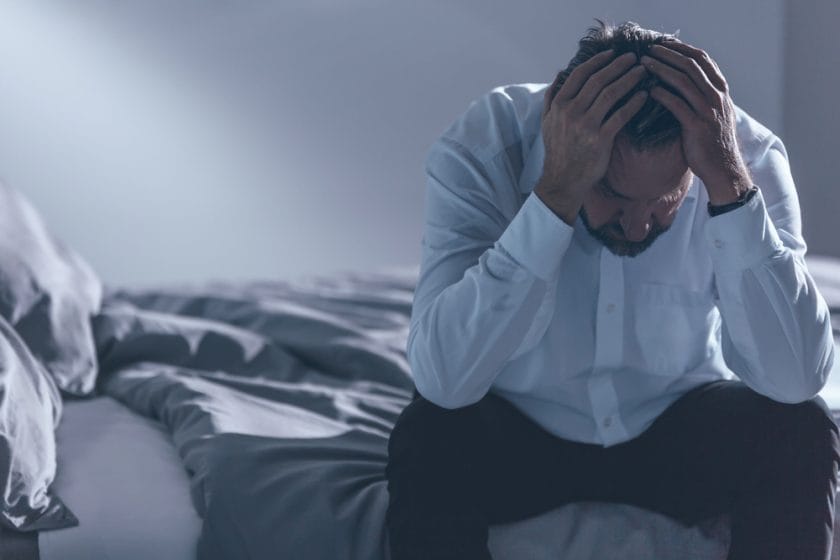
Loneliness is different. It can happen when we feel unseen, misunderstood or disconnected from the people around us. We can feel lonely while living alone, but we can also feel it in a busy workplace, within a family or when scrolling through a phone full of contacts.
At a time when many of us can reach each other at almost any hour, it can seem surprising that loneliness is so common. But being online or contactable is not always the same as feeling meaningfully connected.
This is an important reminder that connection is not simply about how many people we know. What matters is whether those relationships give us a sense of belonging, understanding and mutual care.
Loneliness can affect anyone
Loneliness can affect people of any age and in many different circumstances.
According to the Australian Bureau of Statistics, around one in six Australians aged 15 and over reported often feeling lonely in 2023.
Distance can make connection harder for people living in regional and remote parts of Western Australia, working FIFO or living far from family and friends. Life changes such as becoming a parent, moving somewhere new, living with illness or disability, caring for someone, losing a job or grieving a loved one can also leave us feeling disconnected.
Loneliness can affect people at different stages of life, including young people, older people, people living with disability and those in rural or remote areas.
Feeling lonely doesn’t mean you’ve failed or that something is wrong with you. It may simply be a sign that you are missing the kind of connection you need right now.
Connected online, but not always connected
A lot of us spend part of each day messaging, commenting, reacting and scrolling. These interactions can help us keep up to date with what people are doing, but they don’t always provide the time or space for a genuine conversation. We can know what dozens of people are doing without knowing how they are feeling, or whether anyone really knows how we are doing.
That doesn’t mean online connection is less meaningful. Online friendships, chat groups and communities can be a lifeline, especially for people who live far apart, have limited mobility, find in-person socialising difficult, have different communication styles or want to connect through a shared interest or experience.
The important question is not whether connections happen online or face to face. It’s whether they help us feel seen, heard, supported and part of something.
Quality matters more than quantity

Connection looks different for each of us.
For one person, it might be a circle of friends and family. For another, it might be one trusted friend, a pet, a sporting team, a regular online group or chat that spans time zones. Having fewer relationships doesn’t automatically mean someone is lonely. One or two safe, reliable connections may be far more nourishing than a large social circle where we don’t feel understood.
Connection can also grow through small, repeated moments: the neighbour who waves, the mate who sends a message to say they are thinking of you, the barista who remembers your order, or the person who stops to chat while you’re out walking your dog.
These moments may seem ordinary, but they can build familiarity and belonging over time.
Small ways to build connection
There is no single right way to feel more connected, and not every suggestion will suit everyone. Starting with one small, manageable step can be enough.
If you would like more connection
- Call someone you trust. It might be your mum, a sibling, a friend or someone you have not spoken to for a while.
- Make distance feel a little smaller. Arrange a regular FaceTime or video call with family and friends who live interstate, overseas or even a few hours away in the same state.
- Start with something you already enjoy. Join a local club, class, walking group, sporting team, community garden, Men’s Shed or library activity.
- Explore online communities. Look for a supportive chat group or online community centred around an interest, identity or shared experience.
- Volunteer locally. Helping with a cause you care about can create connection through shared purpose, without putting all the focus on socialising.
- Keep the invitation simple. Ask one person to join you for a coffee, a dog walk or a quiet catch-up.
If someone has been on your mind
- Reach out. You don’t need a reason. Send them a message or give them a call.
- Offer something specific. Ask an older neighbour or someone who lives alone if they would like a hand with their bins, gardening or groceries, or even invite them over for a cuppa.
- Listen more than you fix. You don’t need to have the right answer or solve the problem. Give them space to talk and feel heard.
- Follow up. A second message or call a few days later can show that the first check-in was genuine, rather than a formality.
If feelings of loneliness are affecting your wellbeing, individual counselling can provide a safe space to talk through what you’re experiencing and explore strategies that may help.
Ask R U OK? Any Day
R U OK? Day shares the message “Ask R U OK? Any Day”, reminding us that connection isn’t a once-a-year event, but something we can build through small and ongoing conversations.
Founded by Gavin Larkin in 2009 after his lived experience of losing his father to suicide, R U OK? was created to encourage more open conversations about mental health, suicide prevention and wellbeing.
Held annually on the second Thursday of September, R U OK? Day provides a regular reminder to make time for conversations about mental health and wellbeing. While starting a conversation can feel difficult, around 1 in 4 people hesitate to check in with someone they are concerned about.
Loneliness doesn’t automatically mean someone is experiencing a mental health crisis. However, a genuine check-in can help someone feel cared for and create an opportunity for them to share if they are struggling.
If you are concerned about someone, R U OK? recommends four simple steps:
- Ask R U OK?
- Listen
- Encourage action
- Check in
You don’t need to be an expert. Being present, listening without judgement and helping someone to find extra support if needed can make a meaningful difference.
Standing together this September

September marks World Suicide Prevention Day on 10 September, an opportunity to raise awareness about suicide prevention, remember those impacted by suicide and encourage conversations that support mental health and wellbeing.
Light The Night
Light The Night brings communities together to remember people who have died by suicide, acknowledge those impacted by suicide and show support for families, friends and communities affected by loss. The initiative creates a space for reflection, connection and conversations about suicide prevention and mental health.
Holyoake is proud to support the World Suicide Prevention Day Remembrance Ceremony, hosted by Mens Talk. The ceremony brings the community together to remember men who have died by suicide, acknowledge people who have survived a suicide attempt, and stand alongside families and communities impacted by suicide.
Support is available
If loneliness is ongoing, feels overwhelming or is affecting your day-to-day life, consider talking with someone you trust, your GP, a counsellor or a support service.
Holyoake supports individuals, friends and families experiencing mental health challenges or concerns relating to alcohol and other drugs. Our free support is available without a referral, and you can reach out when you feel ready.
Visit Holyoake – Get Support or call (08) 9416 4444.
If you or someone you know needs urgent support, these services are available:
- Lifeline – Call 13 11 14 | Online chat (24/7) | Text 0477 13 11 14
- 13YARN – Call 13 92 76 for crisis support for Aboriginal and Torres Strait Islander people.
- MensLine Australia – Call 1300 78 99 78
- PANDA (Perinatal Anxiety & Depression Australia) National Helpline – Call 1300 726 306
- Kids Helpline – Call 1800 55 1800 | WebChat (for ages 5-25, 24/7)
- If life is in immediate danger, call 000.
FAQs
Reducing loneliness often starts with building stronger social connections and finding opportunities to interact with others. This could include reconnecting with family and friends, joining community groups, volunteering, taking part in shared activities or reaching out to a support service. Small, regular steps can help people develop a stronger sense of belonging over time.
Loneliness can affect more than how someone feels emotionally. Ongoing loneliness and social isolation can impact overall wellbeing and may be linked with changes to both mental and physical health. Building supportive relationships and staying connected can help support a healthier lifestyle.
Severe loneliness can feel overwhelming and may affect a person’s confidence, relationships and ability to cope with everyday challenges. If loneliness is ongoing or starts affecting daily life, speaking with a trusted person, GP, counsellor or support service can help.
R U OK? Day helps raise awareness about the importance of connection, mental health and suicide prevention. The campaign encourages Australians to have supportive conversations with friends, family, colleagues and community members, helping create a culture where people feel more comfortable asking for and offering support.
Workplaces, schools and communities can take part in R U OK? Day by creating opportunities for conversations, sharing resources and encouraging people to check in with those around them. The day provides a reminder that supportive conversations can happen anywhere, throughout the year.